
For Utah gardeners and landscapers, winter may seem like the off-season. But while the top layer of soil freezes, the ground beneath is still alive with microbial activity. That quiet biological process makes winter an overlooked opportunity to enrich and prepare garden beds. With nutrient-rich Organic Mountain Compost from The Dirt Bag, homeowners can keep soil health advancing through the colder months, giving gardens a head start on spring.
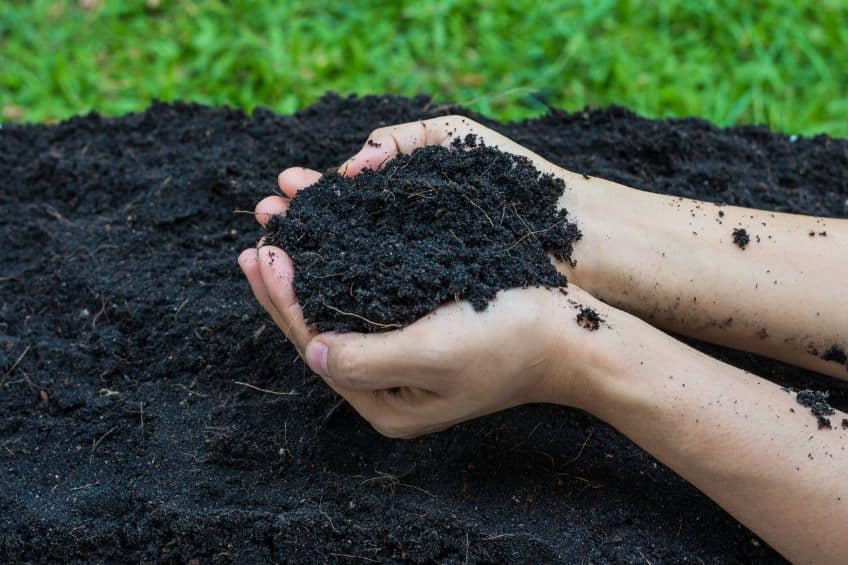
Even when air temperatures drop, the soil below retains warmth that allows beneficial microorganisms to remain active. They continue breaking down organic matter at a slower rate, converting nutrients into forms plants can readily use once the ground thaws.
Winter composting provides several ongoing benefits:
Applying compost now allows the biology of the soil to work uninterrupted, turning dormant months into preparation time rather than downtime.
Utah’s soil conditions are unique, often clay-heavy, compacted, and alkaline. These characteristics limit water movement and root growth, especially after repeated freeze–thaw cycles. Compost improves soil texture and aeration, balancing moisture and oxygen levels even during winter dormancy.
Using Organic Mountain Compost helps Utah homeowners and landscapers:
Winter application also helps prevent erosion from snowmelt and wind by strengthening the soil surface. When spring comes, garden beds absorb water more efficiently, reducing runoff and protecting valuable topsoil.
The best time to apply compost is late fall through early winter, before deep frost sets in. A layer of compost spread across garden beds or lawns integrates slowly as snow and moisture work it into the soil.
Best practices include:
This method allows the compost to “rest” and integrate naturally, producing a nutrient-rich environment ready for early planting and faster root establishment.
Compost is more than a seasonal input—it’s a long-term investment in soil performance. Regular winter composting strengthens soil structure year after year, resulting in gardens that retain water, resist compaction, and deliver steady nutrient availability. When spring arrives, plants thrive in a balanced, biologically active soil environment that supports both growth and sustainability.
Give your garden a head start with Organic Mountain Compost from The Dirt Bag. Its natural, nutrient-dense blend improves Utah’s clay soils, boosts microbial life, and enhances long-term fertility. Apply it this winter to prepare for stronger, more resilient growth when the season turns warm.


